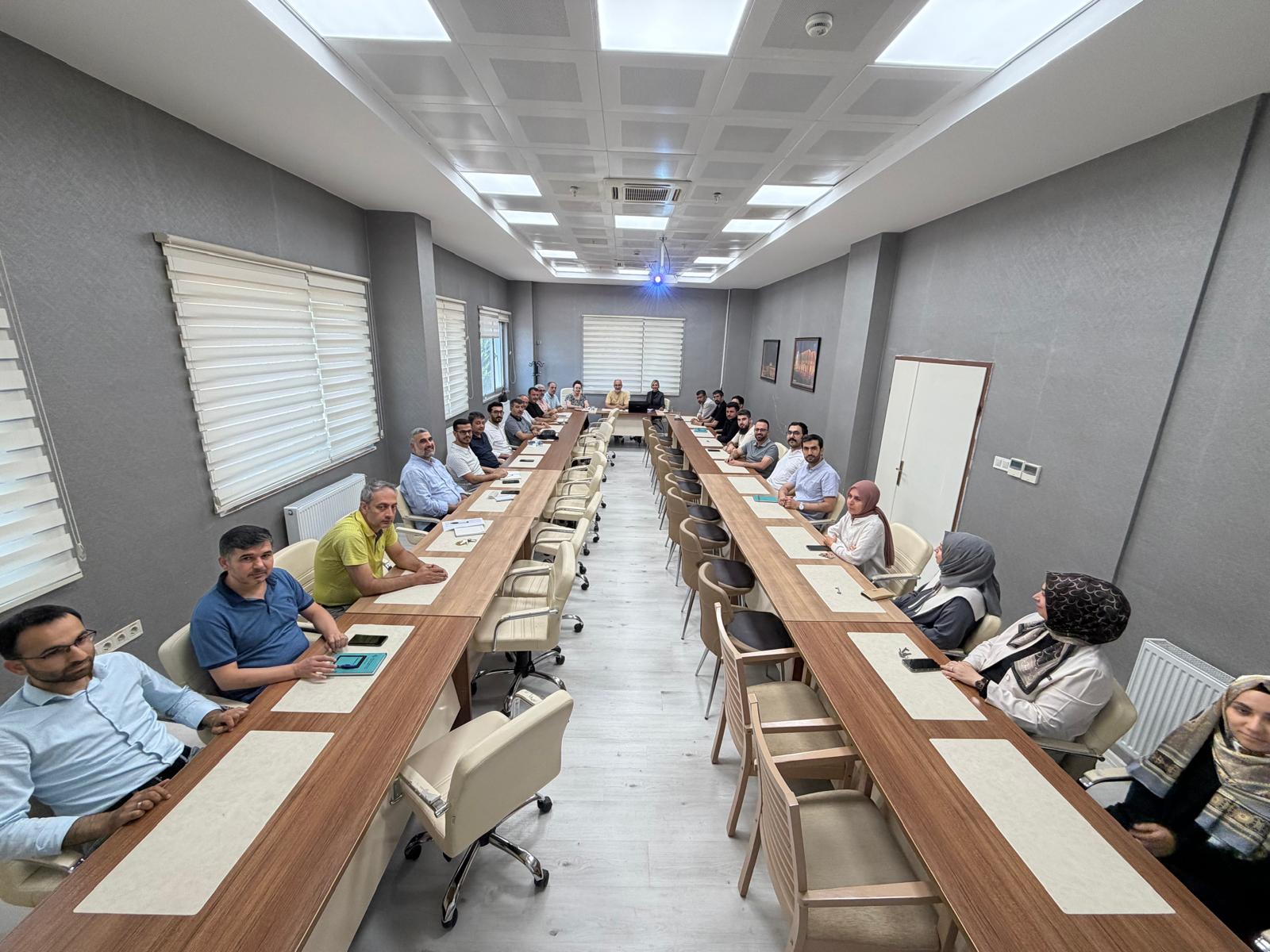
Training on “Experience, Strategy and Roadmap in TÜBİTAK Projects” Held at Our University
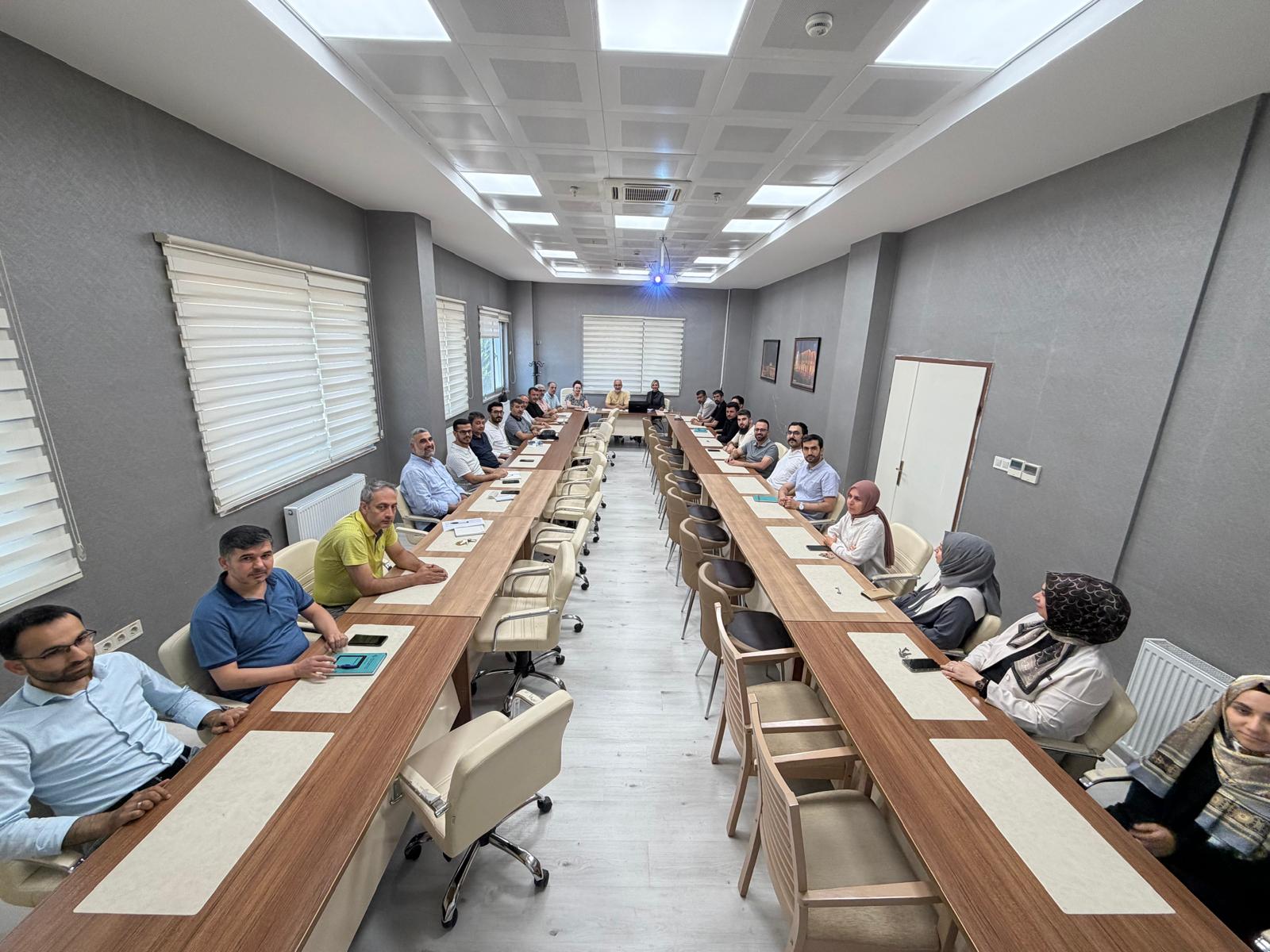
Training on “Experience, Strategy and Roadmap in TÜBİTAK Projects” Held at Our University
A training program titled “Experience, Strategy and Roadmap in TÜBİTAK Projects” was organized by our University's Project Support Office Coordination Unit for academic staff at the Faculty of Theology.
Held in the Faculty of Theology Meeting Hall, the program provided information on application procedures for TÜBİTAK funding programs, developing project ideas, selecting appropriate funding opportunities, key considerations in proposal writing, and evaluation criteria. The training covered the 1002-A Short-Term R&D Funding Program, 3501 Career Development Program, 3005 Innovative Solutions Research Projects Support Program in Social Sciences and Humanities, 1001 Scientific and Technological Research Projects Funding Program, and 2209-A University Students Research Projects Support Program.
Speaking at the opening of the program, Prof. Dr. Meryem Kuzucu, Coordinator of the Project Support Office, emphasized the importance of strengthening the University's project development culture, supporting academic research, and enabling researchers to benefit more effectively from national research funding programs.
Assist. Prof. Dr. Hilal Sevlü, who served as the trainer, shared her experiences with TÜBİTAK project applications and explained the process from developing an initial project idea to preparing a complete application, using practical examples. Her presentation focused on formulating research questions, demonstrating originality and broader impact, designing research methodologies, planning budgets, and effectively managing the application process.
The program also included discussions on potential research topics in theology, opportunities for interdisciplinary research in the social sciences and humanities, and approaches to transforming academic studies into TÜBİTAK-funded projects. Conducted interactively through participants' questions and contributions, the training concluded with an exchange of views and evaluations.